
While most fly fishing trips are built around a single location, like the flats, a river system or something offshore. Our source-to-sea fly fishing safari in Kenya takes a different approach.
Our aim is to show you the best that Kenya has to offer through a fly fishing lens. You’ll travel up mountains, walk forested rivers, drive through the African savannah, drift through mangrove systems, and fish offshore of sand dune islands on the Indian Ocean.
Read on below to discover each part of the trip, each curated to follow the next as we work our way from Source to Sea.
Part 1 – YellowFish in the Forest, Matthews Range
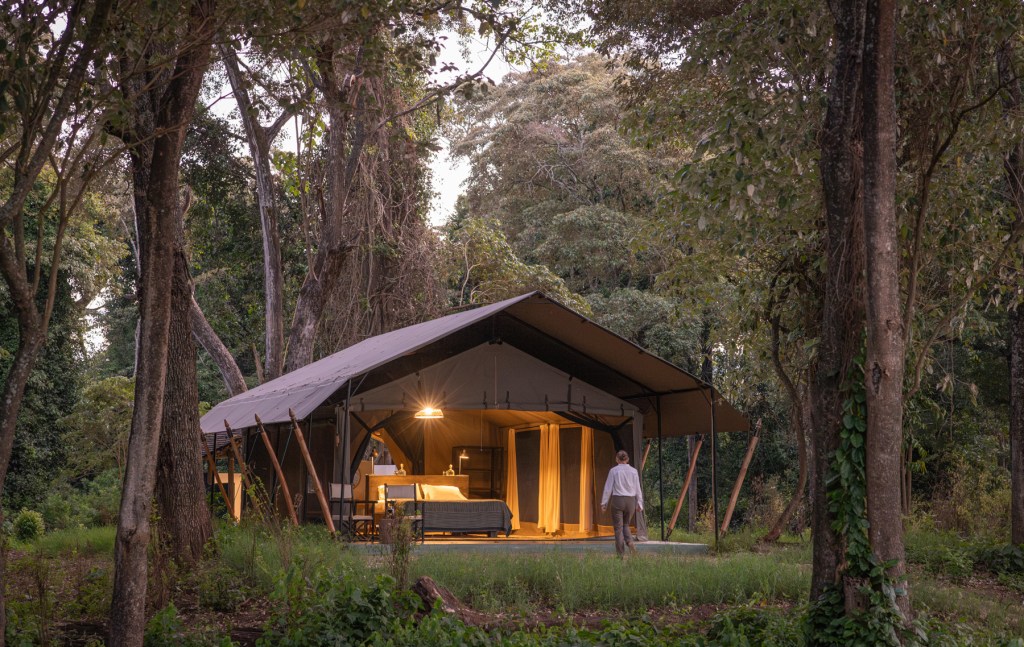
Having landed in Nairobi, you’ll fly north and stay in a safari-style luxury tented camp in the Matthews Range.
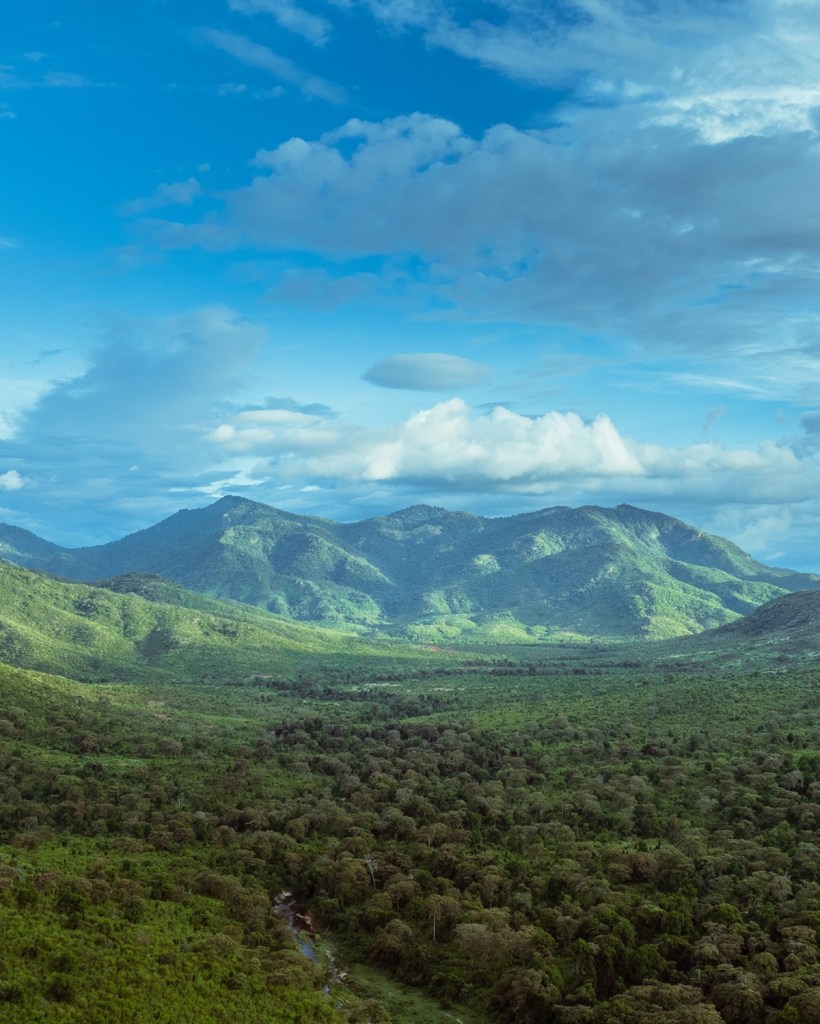
The camp overlooks a spring-fed freestone river that is home to YellowFish.
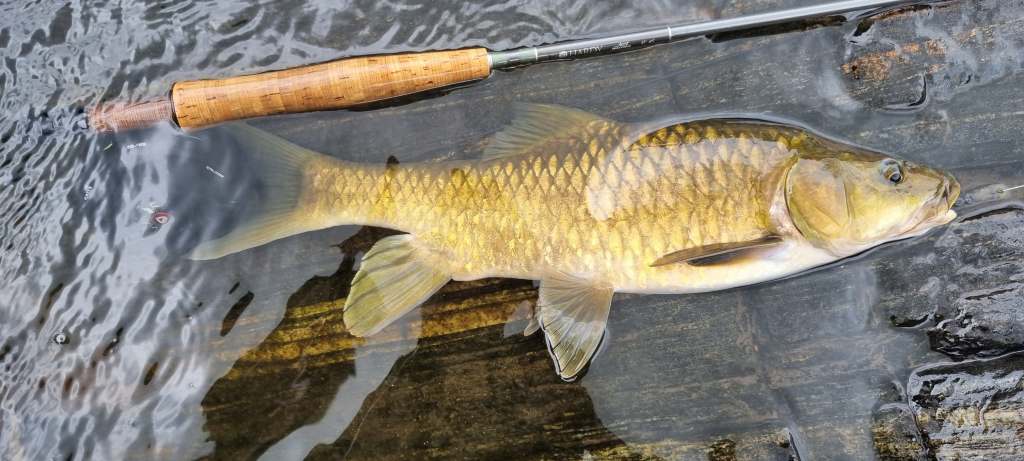
The river is teaming with yellows, and fish up to 4 lbs are a possibility when targeted correctly.
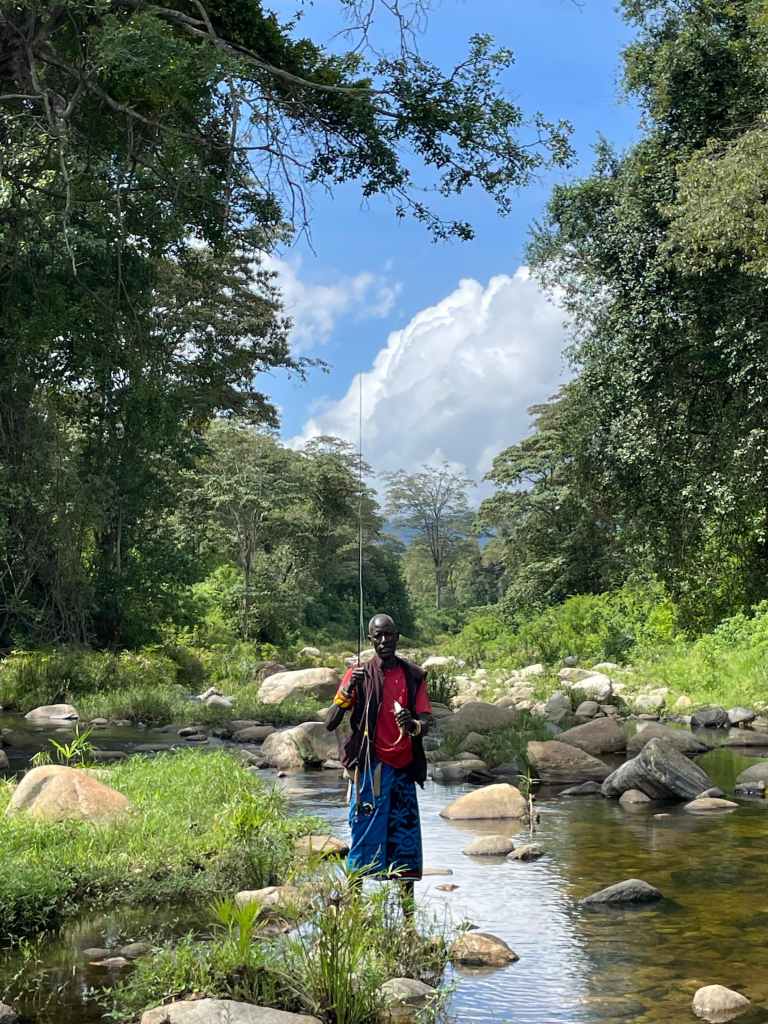
In the land of the Samburu tribe, you’ll be escorted by tribesmen up the river as you spend your day wading through the crystal clear waters and under wild virgin forest.
Part 2 – Samburu Safari (Optional)
The next stage is the safari stage, and it’s optional; however its highly recommended, especially if you haven’t been on a safari before.
A day of game driving from the Matthews Range will find you in Samburu National Park, one of Kenya’s most beautiful reserves.
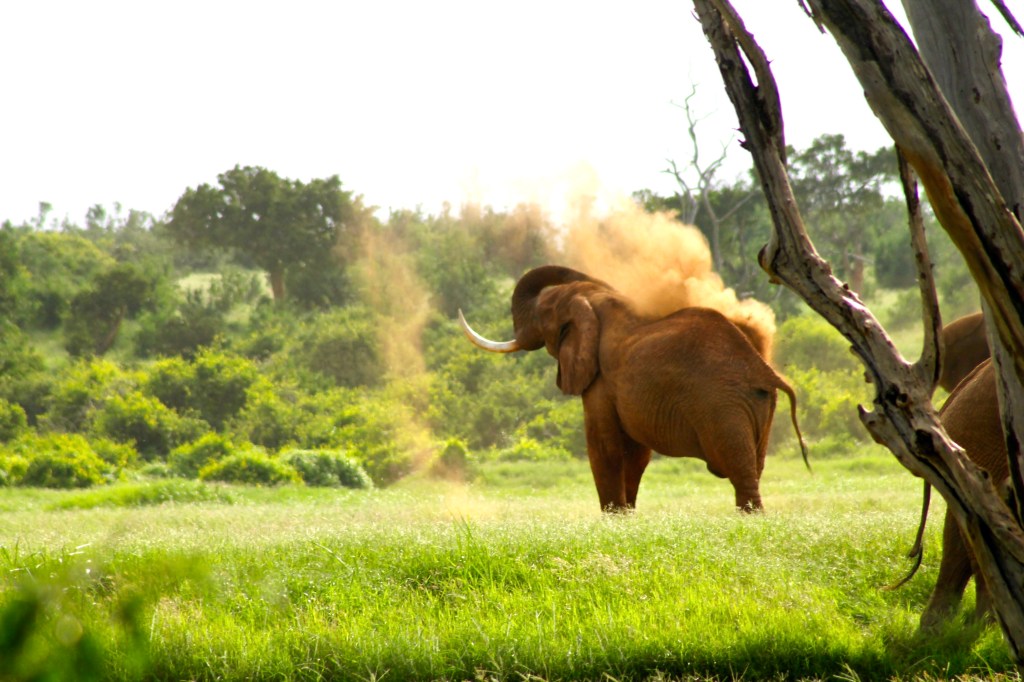
Home to huge numbers of elephants, it is an excellent place for a 1 or 2-night safari. Lion, leopard, cheetah and the “Samburu Special Five” – Somali ostrich, Grevy’s zebra, gerenuk, Beisa oryx and reticulated giraffe – are all common sightings.
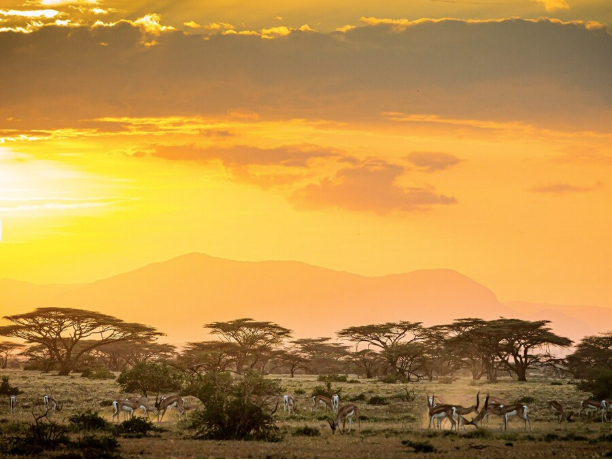
Mount Ololokwe (also known as Ol Donyo Sabachi) is a sacred mountain that casts its shadow over Samburu. The luxury tented camp where you’ll stay is on the Ewaso Nyiro River, the water vein that literally keeps Samburu alive.
Part 3 – The Streams and Lakes of Mt Kenya
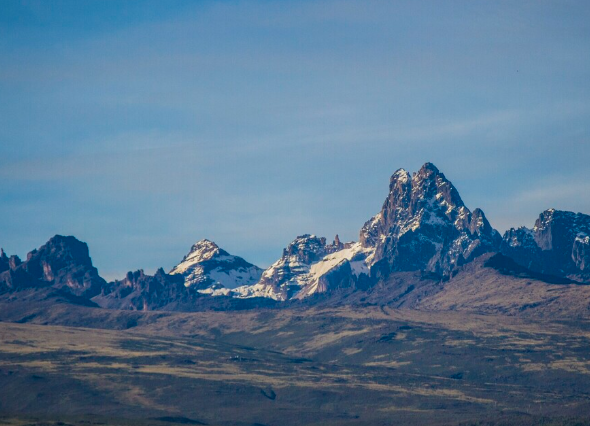
After an early morning departure, you’ll find yourself on the slopes of Mt Kenya for lunch (ish).
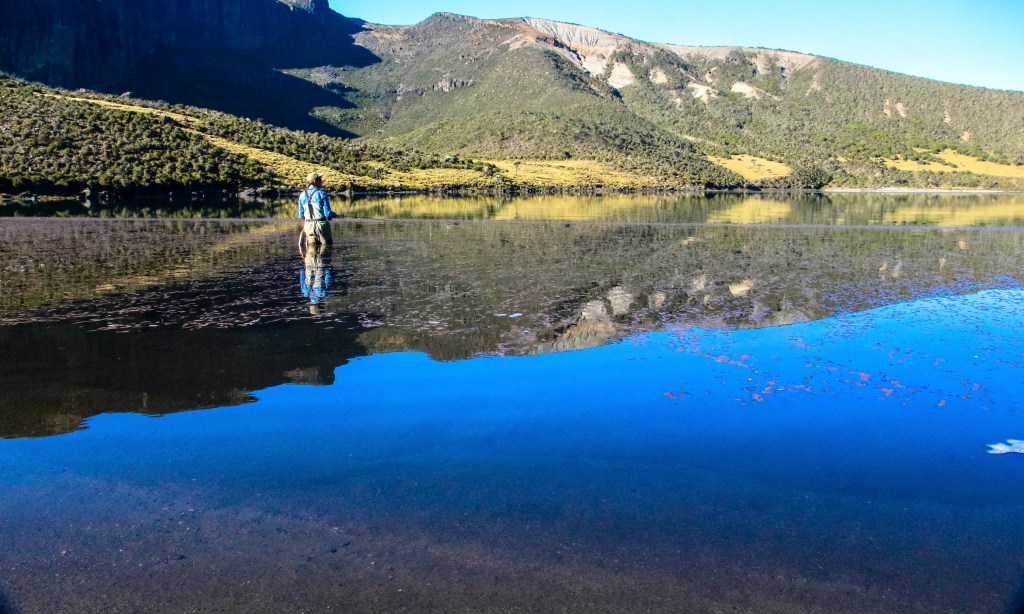
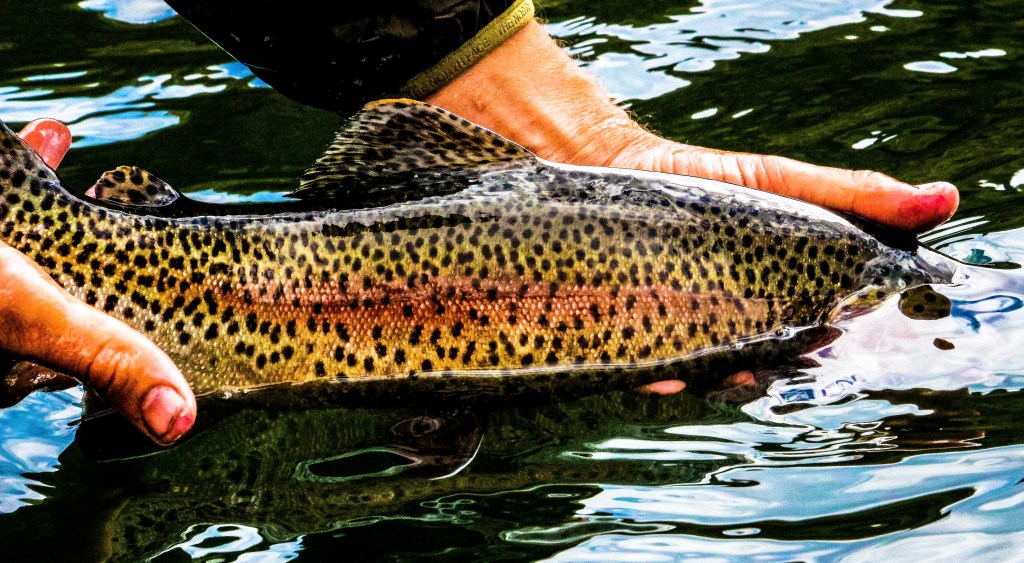
Africa’s second-highest peak is home to small brown trout streams, lakes filled with rainbows, and some of the most beautiful views Africa has to offer. The Kikuyu tribe believes Mt Kenya is the resting place of Ngai (God).
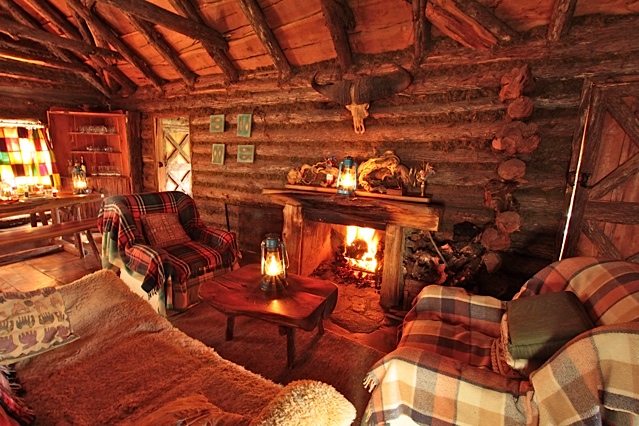
You’ll spend your nights tucked up in cosy rustic log cabins, evenings watching sunsets over the next-door lake, and days hiking to a nearby lake and stream hunting for rainbows and brown trout.
Stage 4 – Mangroves & Reefs of The Lamu Archipelago
After a short drive and two flights from Mt Kenya, you’ll arrive in the Lamu Archipelago.
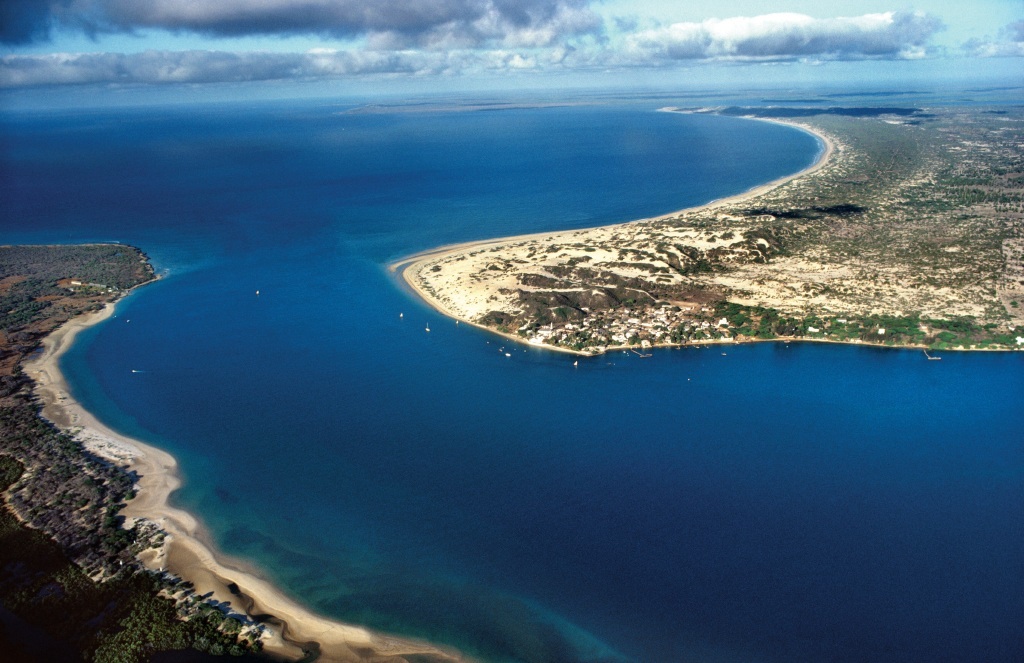
The Lamu Archipelago is home to all nine species of mangroves found in the Western Indian Ocean. The mangrove system stretches some 200 km along the coast and features about 65 islands separated by channels, covering a huge 37,000 hectares in total.

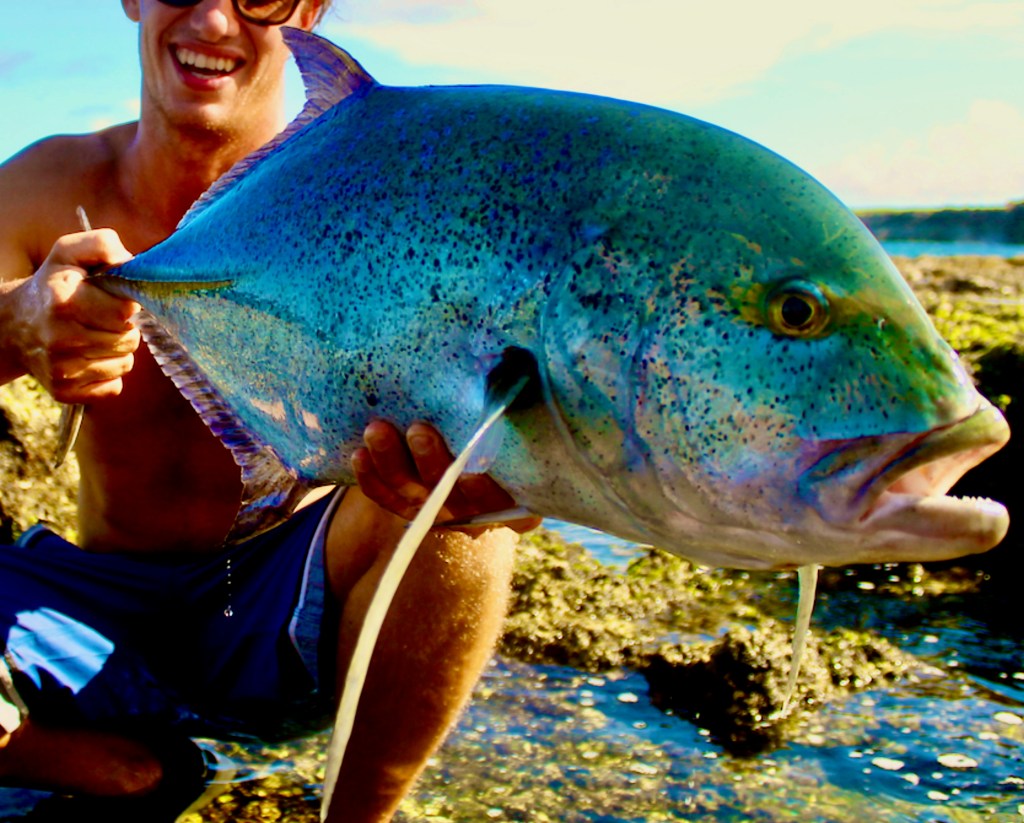
A nursery for young fish and a feasting ground for larger predators, Oxeye Tarpon, Mangrove Snapper, and Trevally are our targets while fly fishing in the mangroves.
Hop out of the mangroves, and you’ll find reefs dotted along the coastline. Fishable with a fly rod only when it is calm, you can find shoals of Spanish mackerel and trevally pushing baitfish up against the ledges.
Lamu Island itself is like stepping back in time. Its ancient Arabic streets only have enough space for people and donkeys. There are no cars. Boats, donkeys and feet are the only forms of transport.
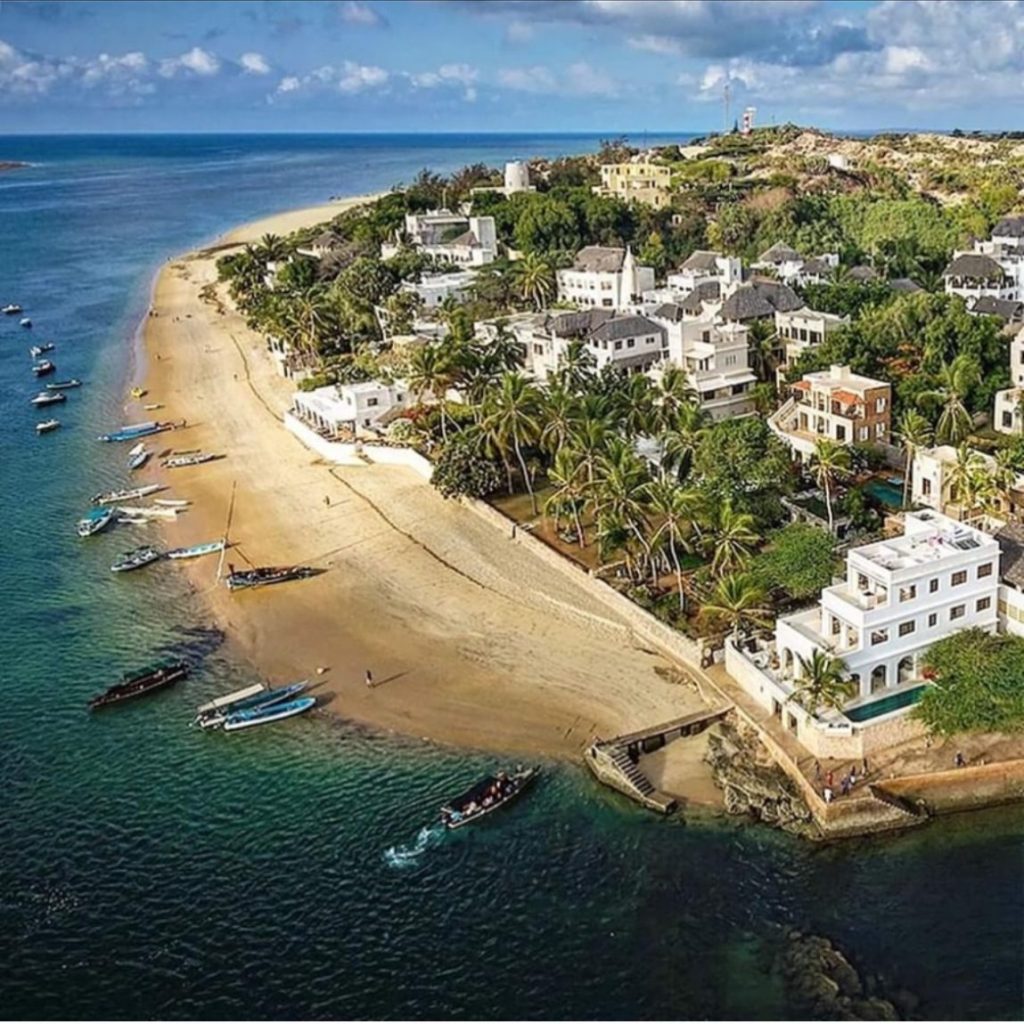
Kiwayu Island, a day’s fishing to the north, can also be incorporated into this trip. With excellent inshore fishing and a stunning camp to stay in, it is highly recommended.
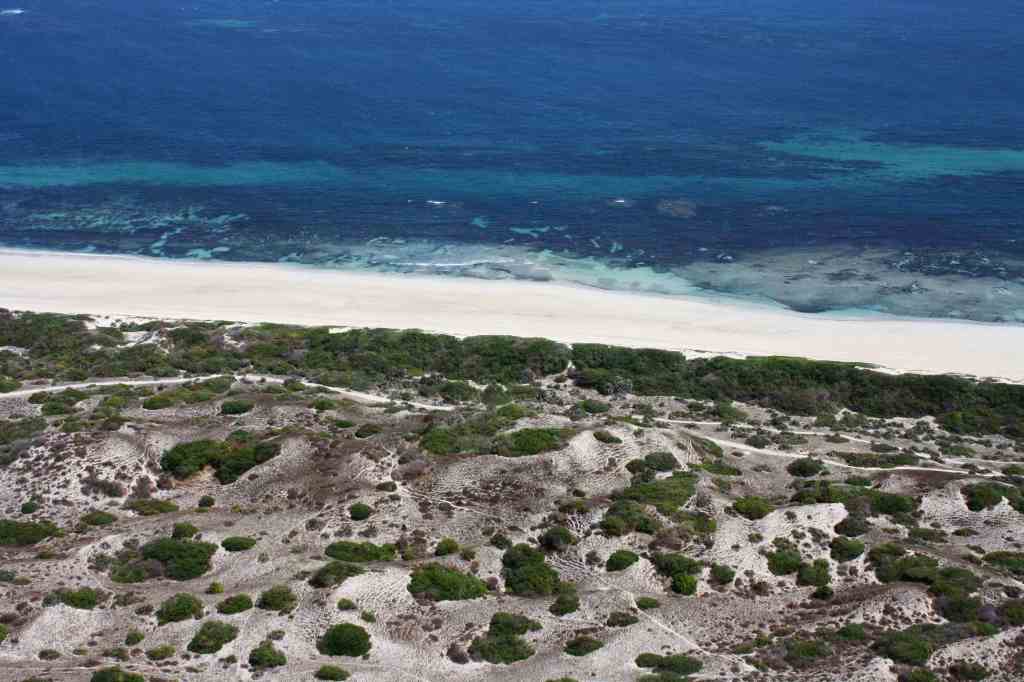
Part 4 – Billfish On Fly in The Lamu Archipelago
To top it all off, we combine the inshore fly fishing around the mangroves and reefs with some excellent offshore fly fishing.
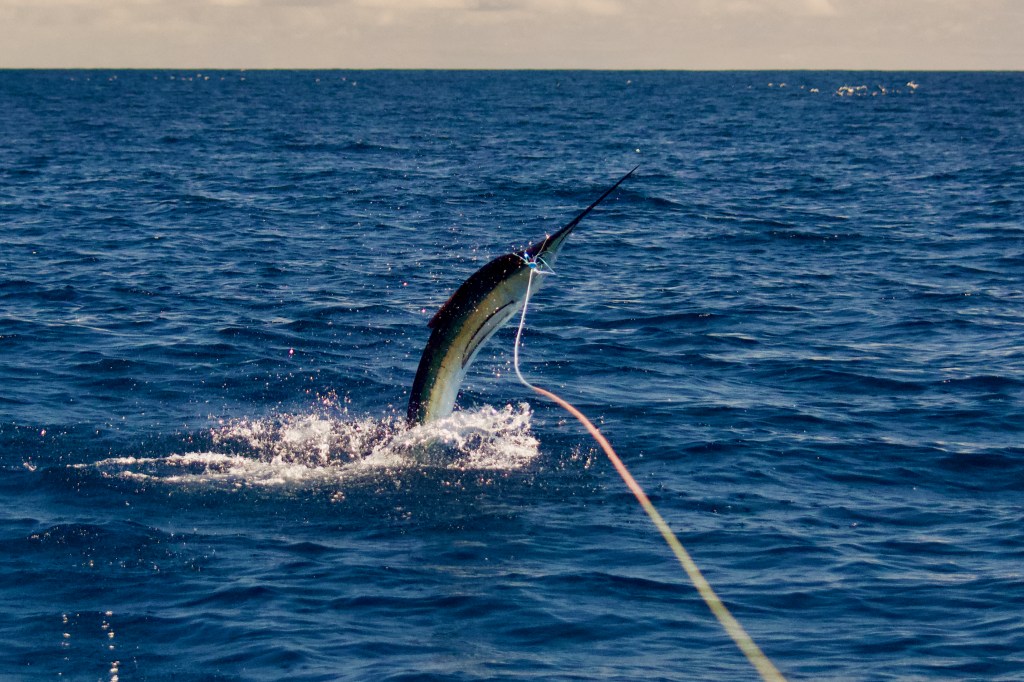
Sailfish are the species in play in October, and there are many of them. February offers up a buffet of billfish with blue, black, and striped marlin as well as sailfish on fly, all being a possibility.
Tailor-Made & Privately Guided
You won’t be heading on this adventure alone. You’ll be hosted by an expert, both in fly fishing and Kenya, throughout the entire journey.
Fluent in Swahili and having grown up in Kenya, they are there to make sure your adventure runs smoothly and to assist you with your fly fishing along the way.
Who This Trip Is For
This type of journey suits:
- Anglers who love travel and adventure
- A family who love fly fishing and wants to see Africa through their hobby
- Anyone who loves the idea of a safari and fly fishing combined
- Want to experience multiple fisheries and species in one trip
- Prefer privately guided experiences
- Love seeing different landscapes and cultures
Planning & Availability
Due to the complexity of this trip and the need for all the fisheries to be at their best at the same time, these trips are limited to a maximum of 2 per year. The seasons are mid-February and early October, with February being the optimal time.
👉 Please send us an email to book a consultation and start planning your adventure.
 Uniquely Fly
Leave a comment