
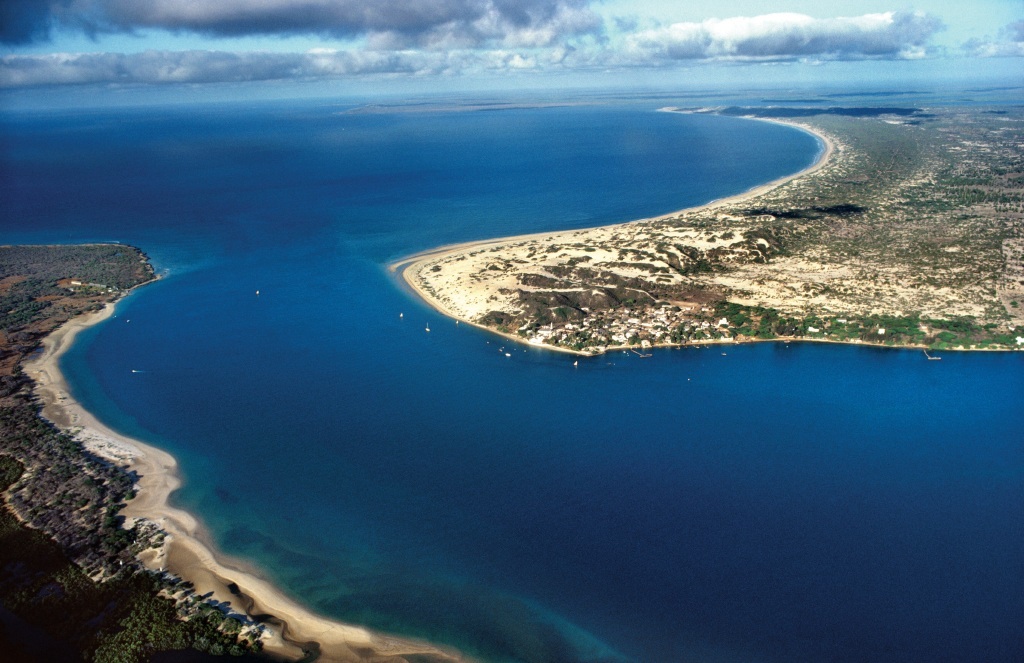
There are some destinations built around fishing.
Everything is structured, optimised, and designed to maximise time on the water. You arrive, fish hard, and leave.
And then there are places like Lamu. Places that exist first, and where fishing simply fits into something much broader.
A Different Pace
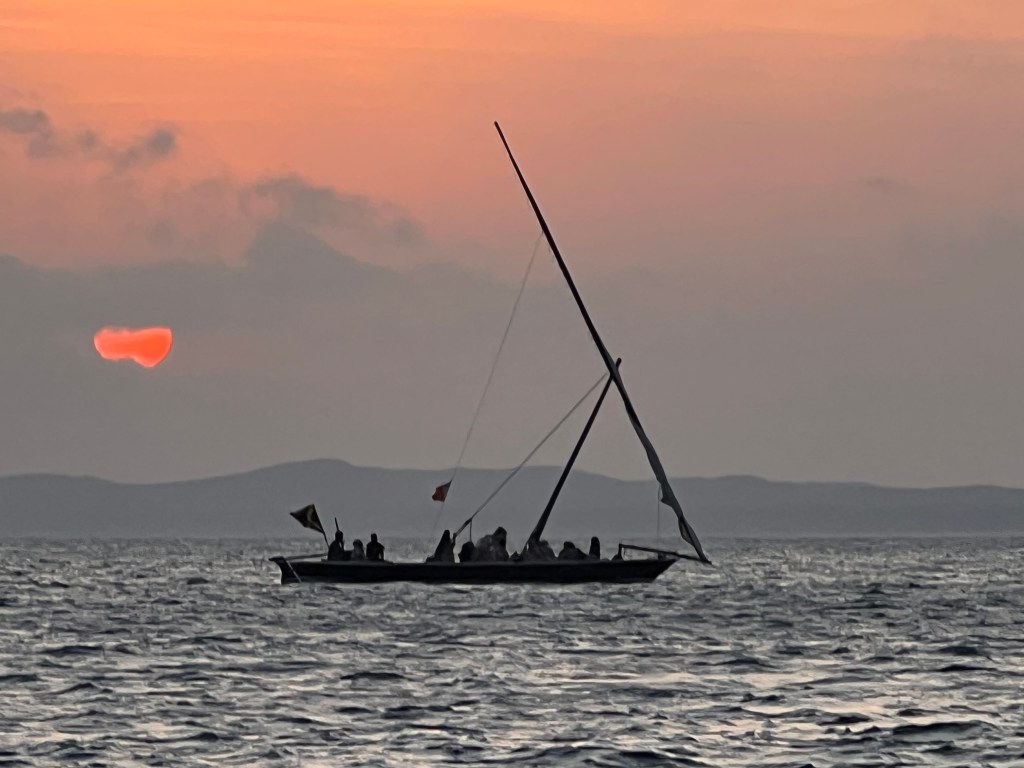
The first thing most people notice in Lamu is the pace.
Things move more slowly here. Not inefficiently, just without urgency. There’s space to think. Space to observe. Space to actually settle into where you are.
That might sound incidental, but it has a direct impact on how you fish. When everything slows down around you, your decisions tend to improve.
The People Behind It
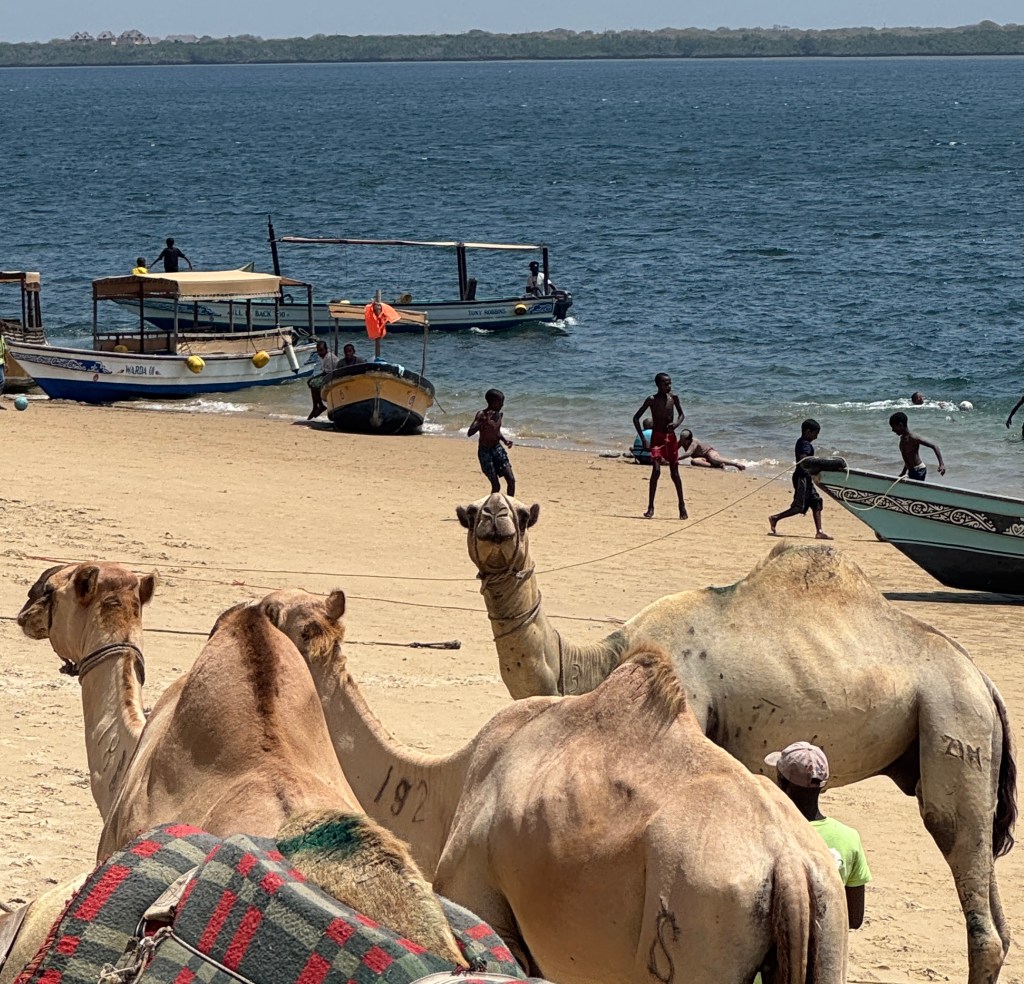
Lamu is an island full of culture with ancient streets lined with Arabic architecture, donkeys are put to work, and there are no cars.
The people here have been working these waters for years, often decades. Their understanding isn’t something that’s been packaged or formalised. It’s built through repetition, experience, and time.
There’s a calmness to how things are done.
No unnecessary noise. No rush to create action. Just a quiet confidence in knowing how things tend to unfold.
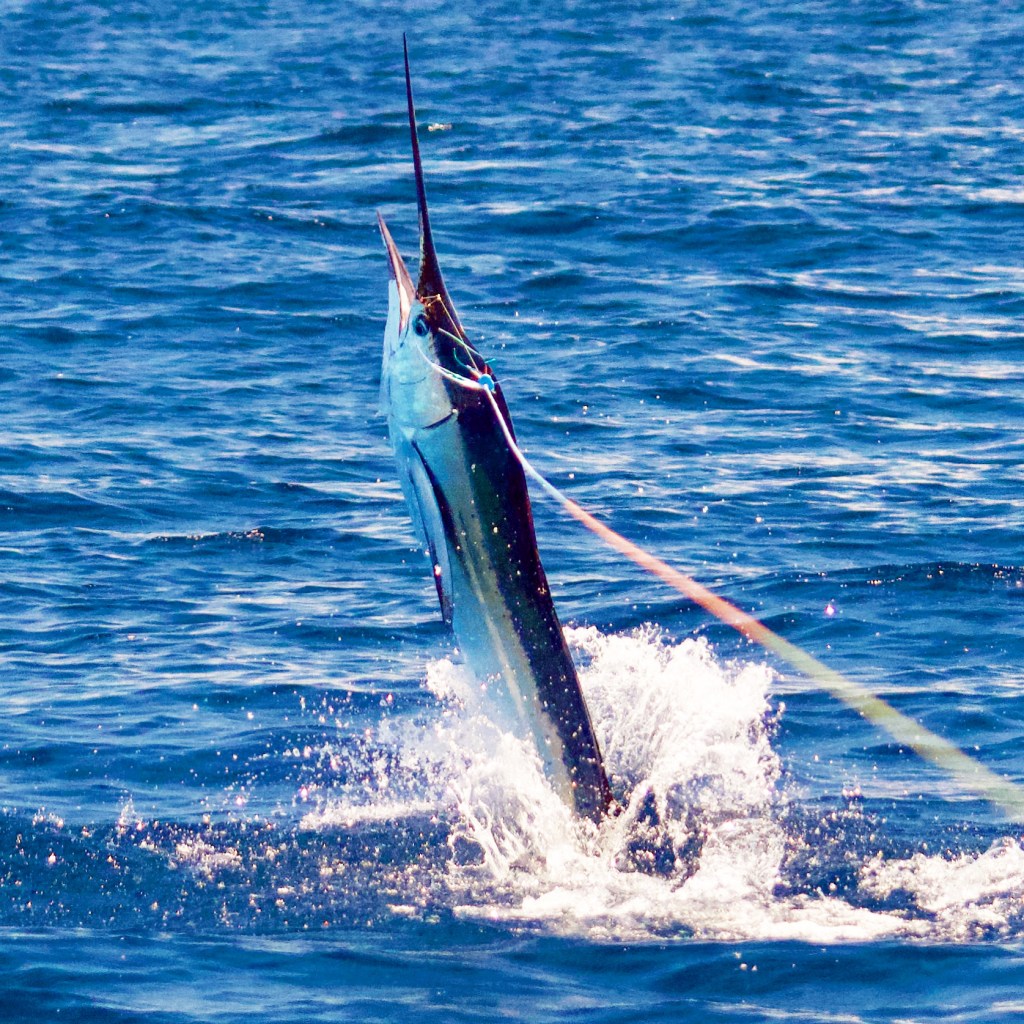
For fly fishing, particularly for species like sailfish or other billfish, that matters more than most people realise.
The Environment
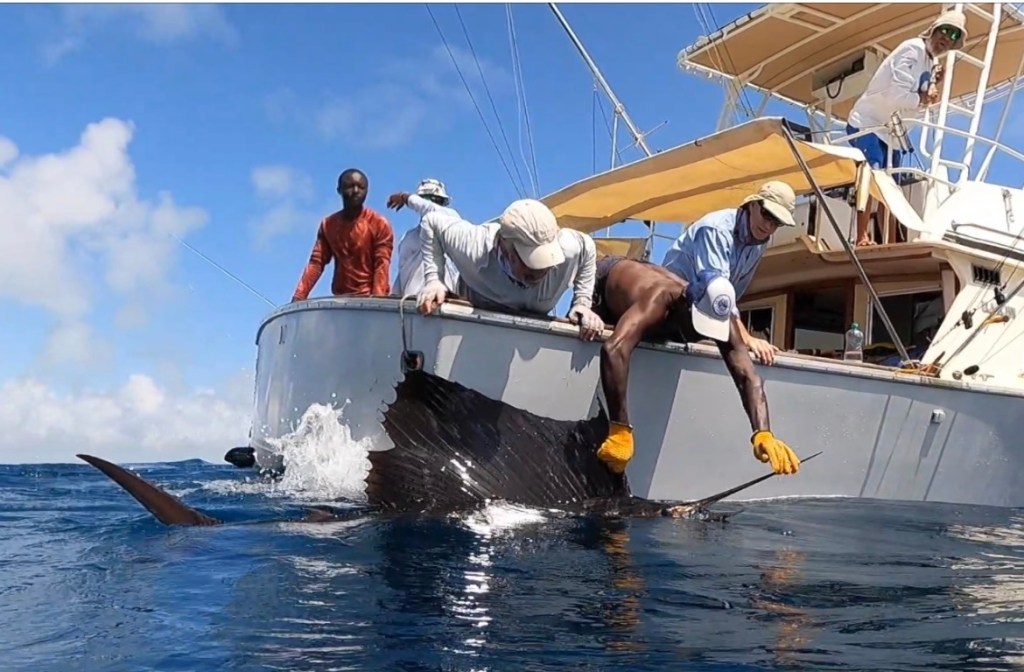
Out on the water, what stands out is the space.
There’s very little sense of pressure. No lines of boats. No urgency to compete for a position.
Just open water, light, and movement.
Conditions change throughout the day; wind, current, and light, but they do so gradually. You begin to notice patterns. Small shifts that influence where fish might be, how they’re moving, and when opportunities are likely to come.
It’s not chaotic. It’s rhythmic.
Where Fishing Fits In
The fishing here is excellent.
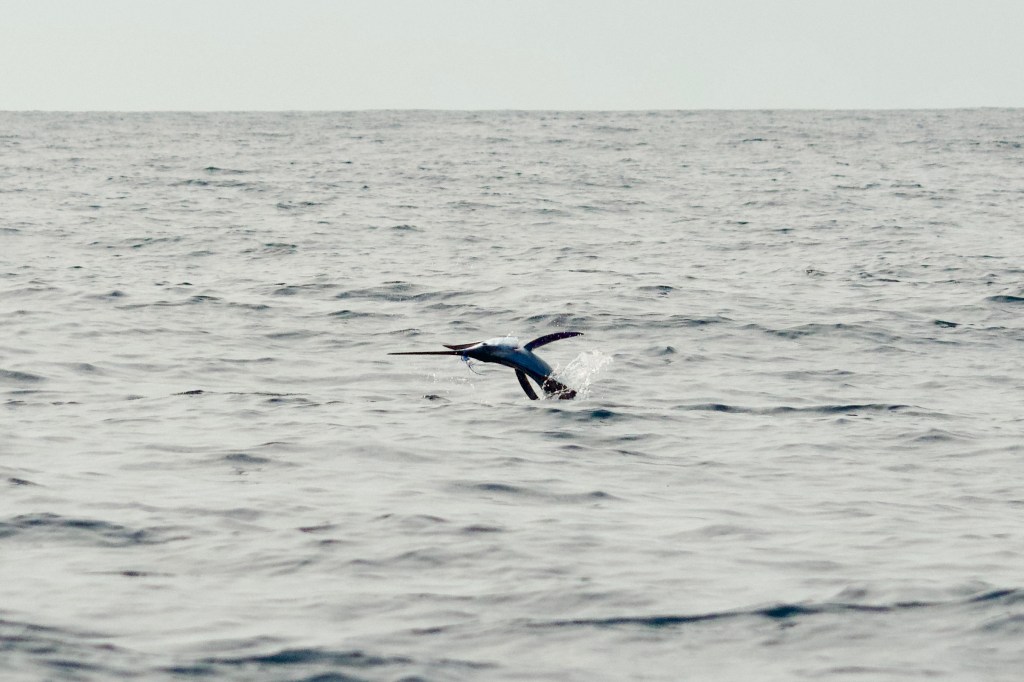
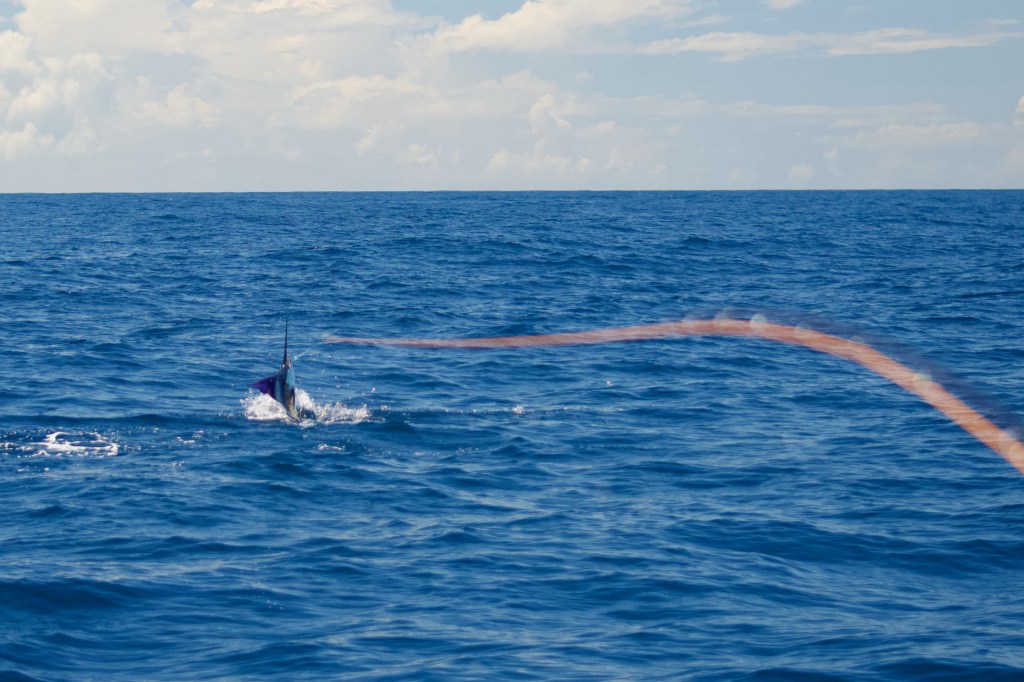
In October and November, the focus is on sailfish. It’s a relatively short window, and when conditions align, there are real opportunities to do it properly on the fly. Some days we have 20-plus fish on the teasers.
Later, in February and March, things open up. Billfish remain a central part of the experience, but there’s a broader mix with 3 species of marlin on fly as well as sailfish.
But what’s important is this: The fishing works because everything around it works.
The pace allows for better decisions.
The crews understand how to position properly.
The lack of pressure means situations develop more naturally.
You’re not forcing opportunities. You’re working within them.
Not Overly Polished and Better for It
Lamu isn’t designed to feel seamless. It’s not overly refined. And for the right kind of angler, that’s exactly the appeal. It’s a cultural experience as much as a fishing one.
It feels real, and it gives something back in return that more structured destinations often don’t.
Why We Go Back
There are plenty of places you can go to fish and fewer that you’d return to for reasons beyond it.
Lamu is one of them, as it offers something increasingly hard to find: A place where the fishing is just one part of a much more complete experience.
You could come to Lamu without a fly rod and still understand why it matters, and all the friends and family who join their angling companions can attest to that. The fishing simply gives it another layer.
We run a small number of weeks here each year – focused, considered, and built around you.
If it’s somewhere you’ve thought about, it’s worth understanding it in full, not just as a fishery, but also as a place. Please send us an email if you’d like to plan a Lamu fly fishing experience with us.
 Uniquely Fly
Leave a comment